How to Create a Family Information File in South Africa
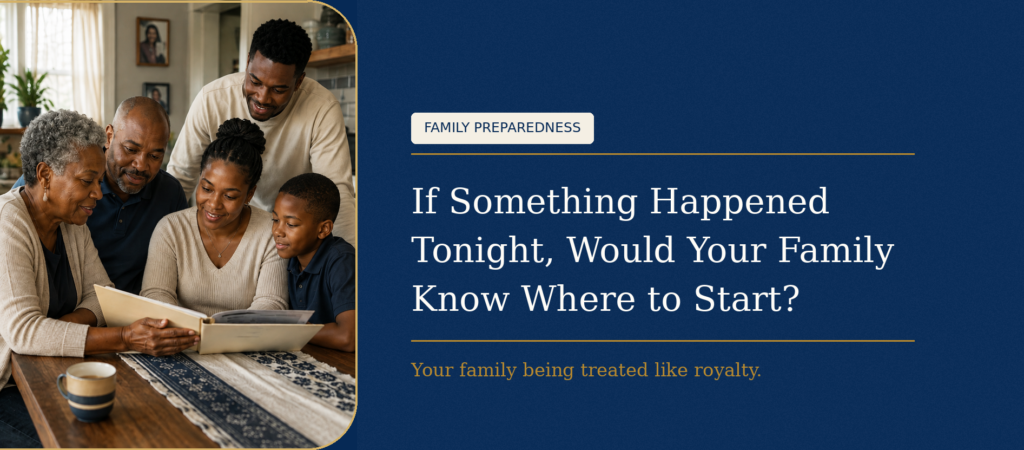
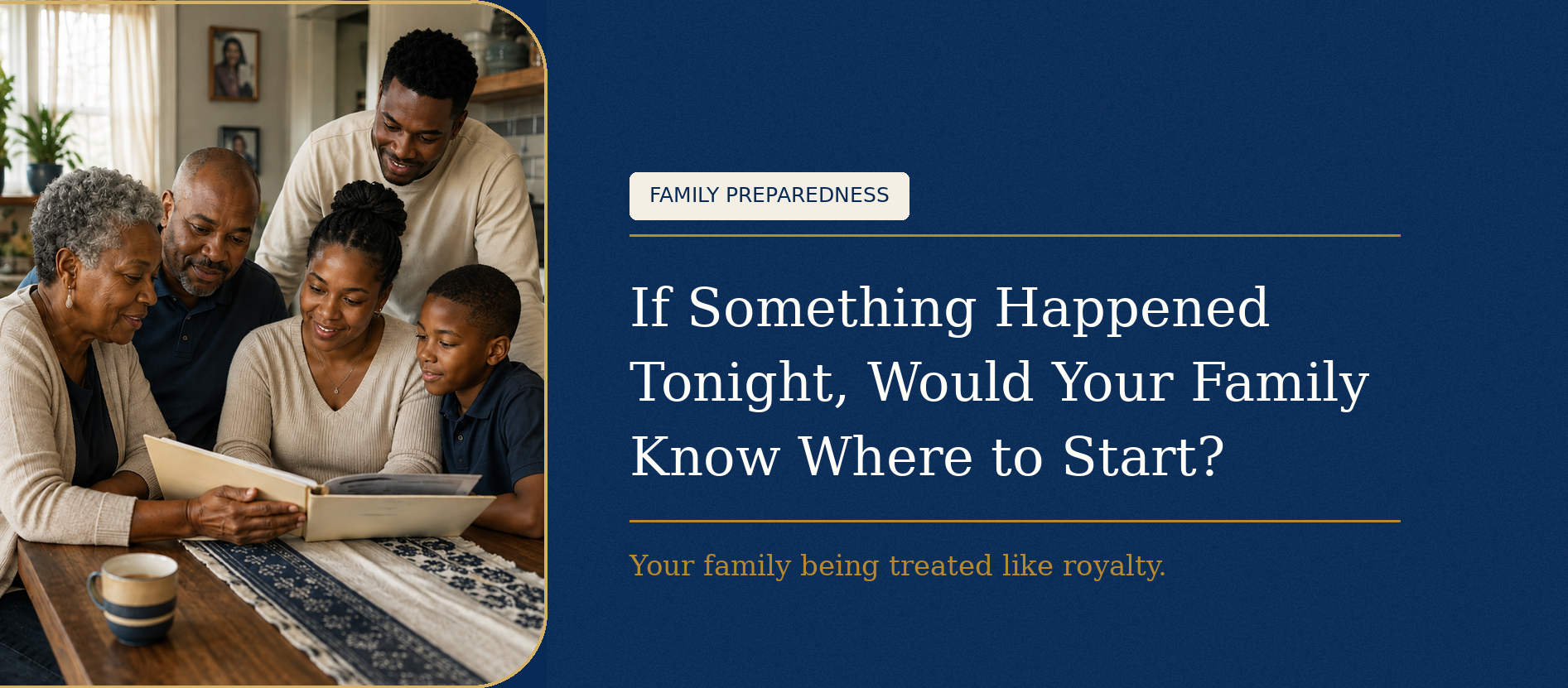
If Something Happened Tonight, Would Your Family Know Where to Start?
How to create a simple family information file before an emergency, without turning one evening into a frightening conversation.
Most families have important information. The problem is that it lives in different places: a policy screenshot on one phone, an identity document in a drawer, a contact saved under a nickname and a funeral preference mentioned once at Sunday lunch.
When a death occurs, relatives may be grieving while trying to work out who to call, which policy exists and where the documents are kept. A family information file does not need to be expensive, elaborate or morbid. It is simply a clear starting point.
What belongs in the file
1. A one-page contact sheet
List the people or organisations the family may need to contact: a trusted relative, faith leader, employer, funeral provider, insurer and any person responsible for children or elders. Use full names and current numbers.
2. Funeral-cover information
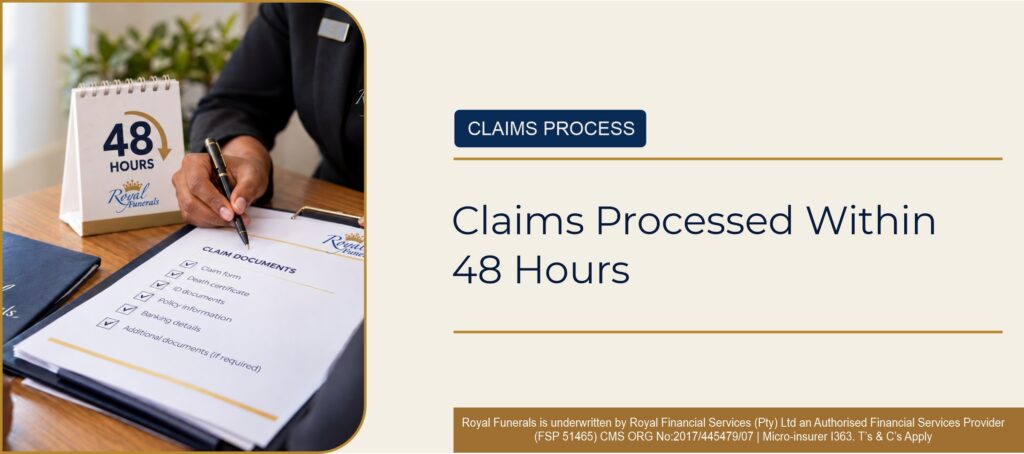
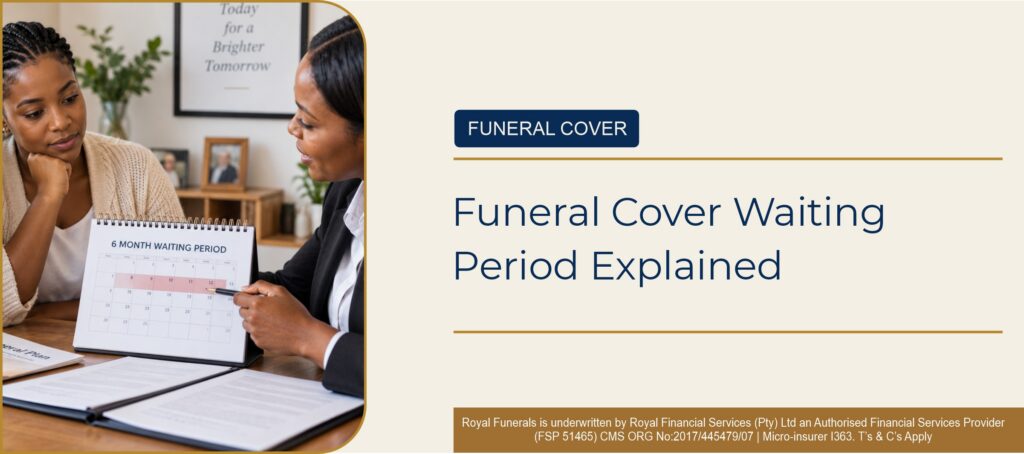
Include the policy number, policyholder’s name, provider and official claims contact information in the funeral cover information. Note where the complete policy schedule and latest proof of payment are stored. Do not write banking passwords or PINs in the file.
3. Identity and relationship documents
Keep certified copies only where appropriate and store originals securely. Depending on the process, families may need identity documents, a death certificate, marriage or divorce records and information confirming family relationships.
4. A simple list of wishes
Record preferences that the family should know, such as faith or cultural considerations, burial or cremation discussions, important people to contact and where a valid will is stored. This is not a substitute for a legally valid will.
5. Information about dependants
Include essential details for children, elders, people with disabilities or anyone who relies on daily medication or care. The purpose is continuity and safety, not collecting unnecessary private information.
What the official estate process may require
The Master of the High Court’s guidance lists documents that can be required when reporting a deceased estate, including the death notice, death certificate, marriage documents where applicable, the original will, a next-of-kin affidavit and an inventory of assets. Government guidance states that a deceased estate should be reported to the Master within 14 days. The exact requirements depend on the estate and should be confirmed through the official process.
Keep private information private
- Use a folder that can be secured and accessed by the appropriate trusted person.
- Do not include card PINs, banking passwords or phone unlock codes in an ordinary paper file.
- Tell one trusted adult where the file is kept.
- Review contact numbers and policy information every six months.
- Replace outdated certified copies and remove information that is no longer necessary.
How to begin the conversation
You do not need to gather the entire family around and announce the worst-case scenario. Start with a practical sentence: “I am putting our important information in one place so that we are not confused during an emergency.” Then complete one section at a time.
Planning does not invite tragedy. It reduces uncertainty. The file will not remove grief, but it can prevent avoidable searching, repeated phone calls and arguments about information that should have been easy to find.
Start your family information file today and save Royal Funerals’ official assistance and claims contact details with your policy records.